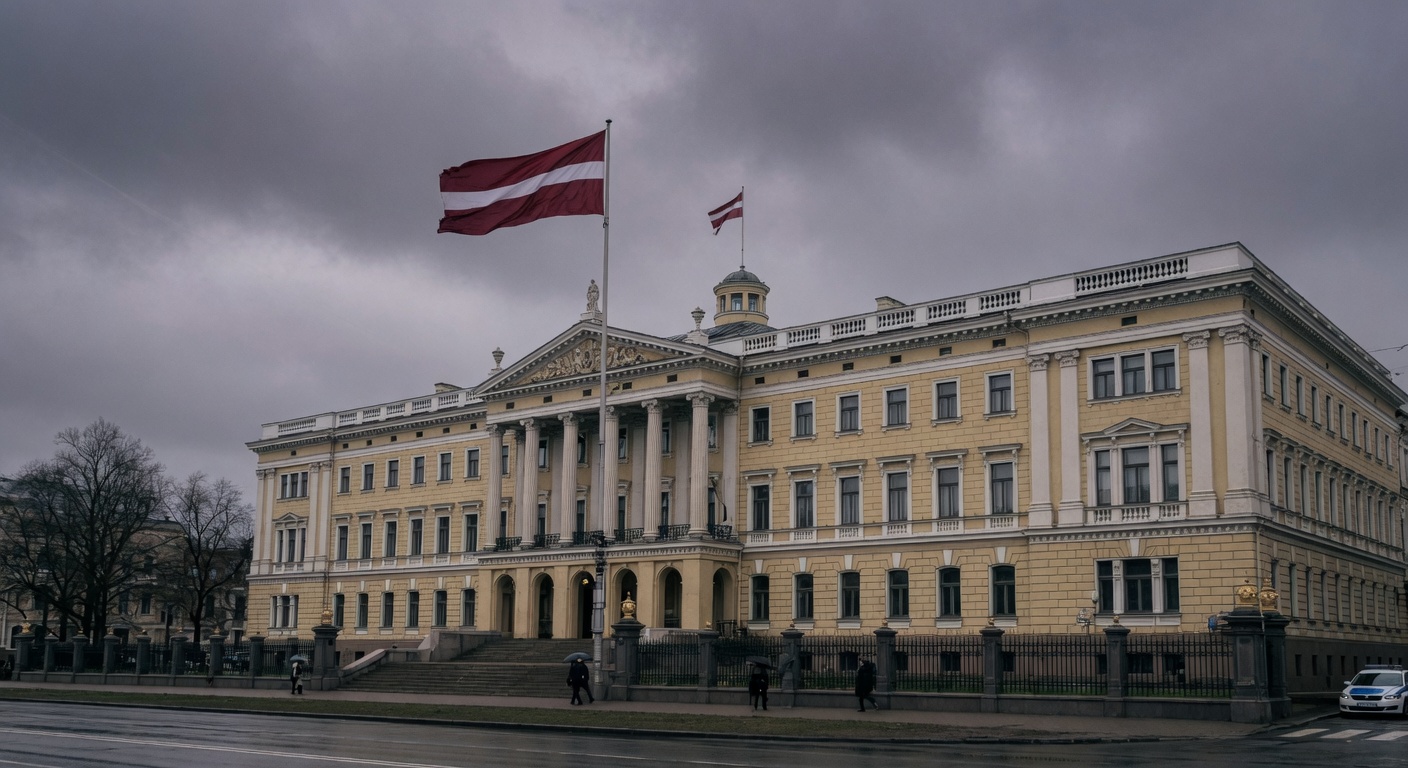
The Latvian parliament approved a new center-right government on May 28, 2026, following the collapse of the previous coalition. The restructuring follows a security dispute over Ukrainian drones entering Latvian airspace and aims to ensure a staunchly pro-Western path ahead of the October elections.
A security dispute over Ukrainian drones entering Latvian airspace triggered the coalition’s collapse, including a May 7 incident where a drone struck a fuel storage facility. These incursions, some reportedly redirected by Russian electronic warfare operations, led to Prime Minister Evika Siliņa’s resignation on May 14 and the firing of Defence Minister Andris Sprūds.
The new government, led by Prime Minister Andris Kulbergs, excludes the left-leaning Progressives Party. This shift moves the administration further to the right to harden its security posture and represents a decisive commitment to a pro-Western path amid heightened security fears on NATO’s eastern flank.
International reactions have been stark. UN Diplomat Vasily Nebenzya threatened Latvia, claiming the country helped launch drones for Ukraine. US Ambassador Tammy Bruce condemned the Russian threats, stating, “There is no place for threats against a council member.”
The restructured government begins its term focused on hardening Latvia’s security posture. This political shift occurs as the country prepares for general elections in October, with the new administration seeking to consolidate a pro-Western alignment against ongoing hybrid threats on NATO’s eastern flank.