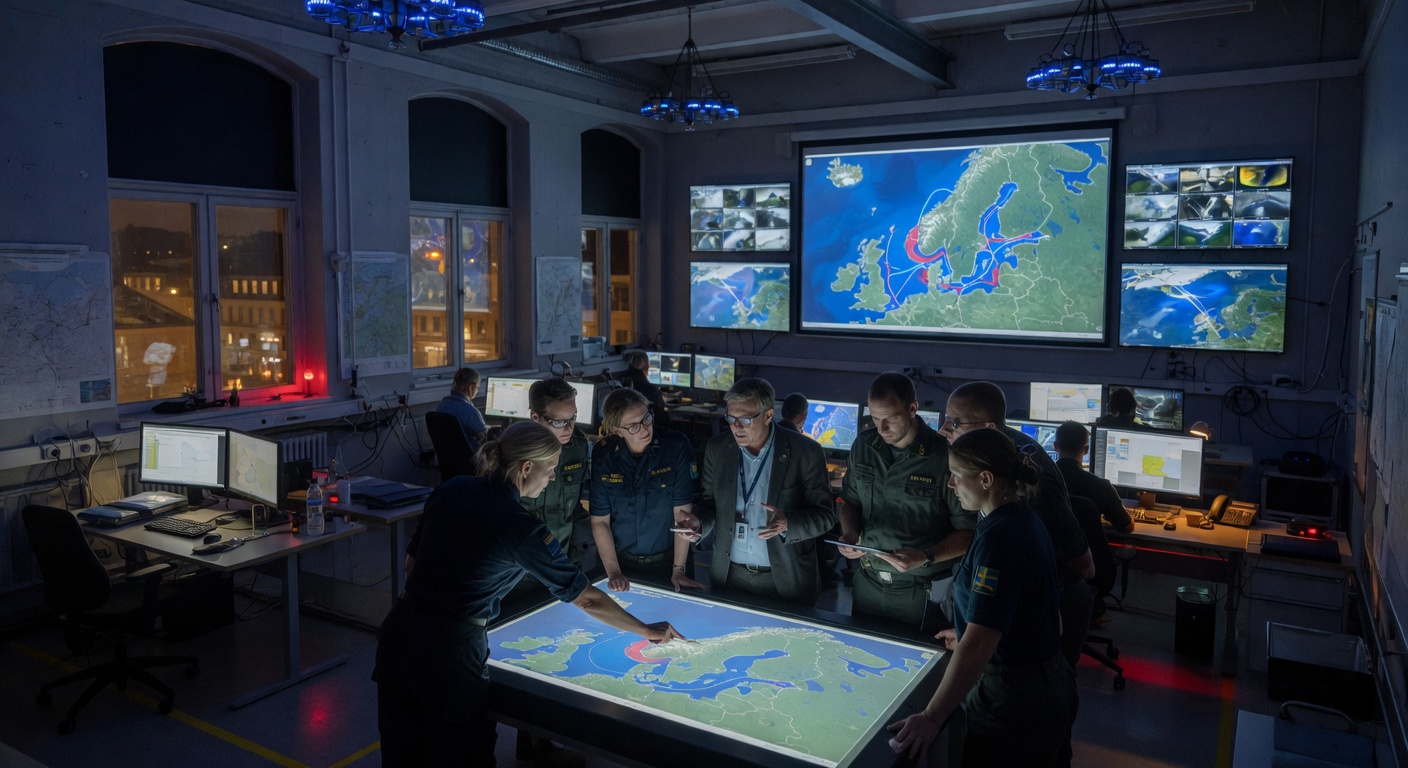
Finland is promoting its “Total Defence” model as a blueprint for European strategic autonomy, urging the European Union to adopt a comprehensive security framework. The Finnish government argues that military capabilities must pair with societal resilience—including “mental security” and private-sector partnerships—to deter hybrid threats and ensure the continuity of essential services during crises.
The Finnish “Total Defence” model, formally known as the Comprehensive Security Concept, integrates armed forces, government ministries, private companies, and civil society into a unified security framework. This institutionalized partnership ensures that essential production, services, and infrastructure remain operational during serious disturbances and emergency conditions.
President Alexander Stubb emphasized that modern security extends beyond military capabilities. He noted that hybrid attacks, which target the societal fabric rather than just military installations, have blurred the line between peace and war. Under this model, Finland has shifted its strategy toward “deterrence by resilience” to make societal disruptions costly and ineffective for adversaries.
A critical pillar of this approach is “mental security,” which focuses on a society’s ability to withstand disinformation and manipulation without losing social cohesion. This psychological resilience prevents foreign influence operations from compromising national political judgment.
The Finnish government is promoting this framework as a blueprint for the European Union to strengthen its strategic autonomy. Germany’s Bundesakademie für Sicherheitspolitik (Baks) is currently analyzing Nordic resilience models, specifically the concept of mental security, as a potential template for Germany’s own integrated security planning.