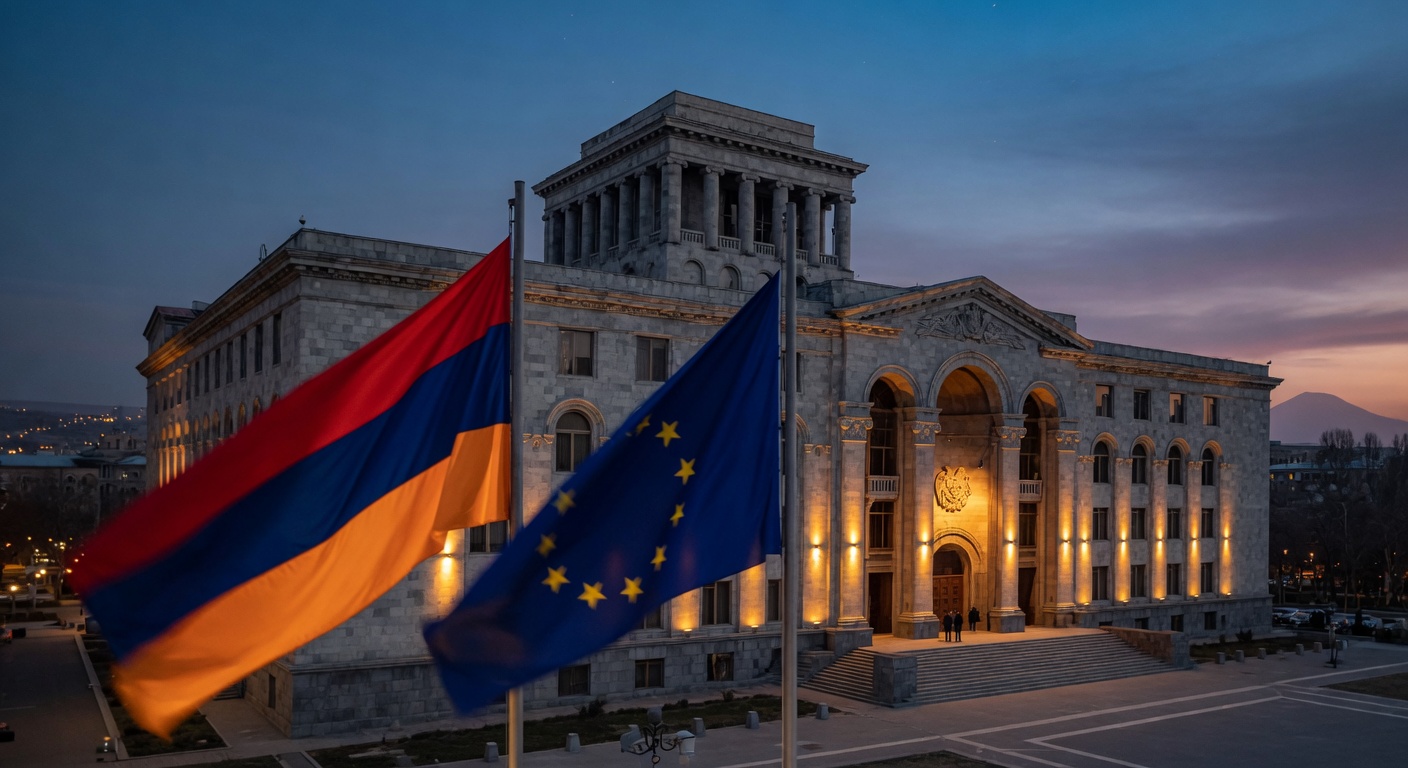
Armenia’s parliamentary elections on June 7, 2026, gave a decisive lead to pro-European forces, with support reaching 52%. The outcome marks a structural break from Russia’s geopolitical orbit as Prime Minister Nikol Pashinyan’s government secures a mandate to pivot toward European integration and diversify security partnerships.
The results show strong support for the pro-European pivot, with a 52% lead for forces aligned with Pashinyan. Regional turnout reached its highest level in three national elections, with significant support in Syunik (55.36%), Vayots Dzor (54.15%), and Tavush (53.27%).
The mandate follows strategic shifts by the Pashinyan government, including a law to launch the EU joining process and the freezing of Armenia’s participation in the Russia-led Collective Security Treaty Organization (CSTO). These moves followed the failure of the CSTO and Russia to protect Armenia during conflicts over Nagorno-Karabakh.
Russian President Vladimir Putin warned that EU membership requires “special consideration” and suggested that attempting to join the EU leads to instability, citing parallels with Ukraine. The pro-Russian opposition, led by the “Strong Armenia” party, failed to overcome the pro-European momentum; party leader Samvel Karapetyan voted while under house arrest on coup charges.
The European Union expressed support for the realignment. International observers, including those from Clingendael, described the 2026 vote as the most geopoliticised elections in Armenia’s history. Armenia is diversifying its security partnerships, increasing defense cooperation with France and India to reduce reliance on Russian military hardware and guarantees.
The 2026 parliamentary elections are the first regularly scheduled national vote in Armenia since 2017. They follow the expulsion of ethnic Armenians from Nagorno-Karabakh and heightened tension surrounding the country’s security architecture. The results provide a formal mandate for the government to accelerate its shift toward European integration.