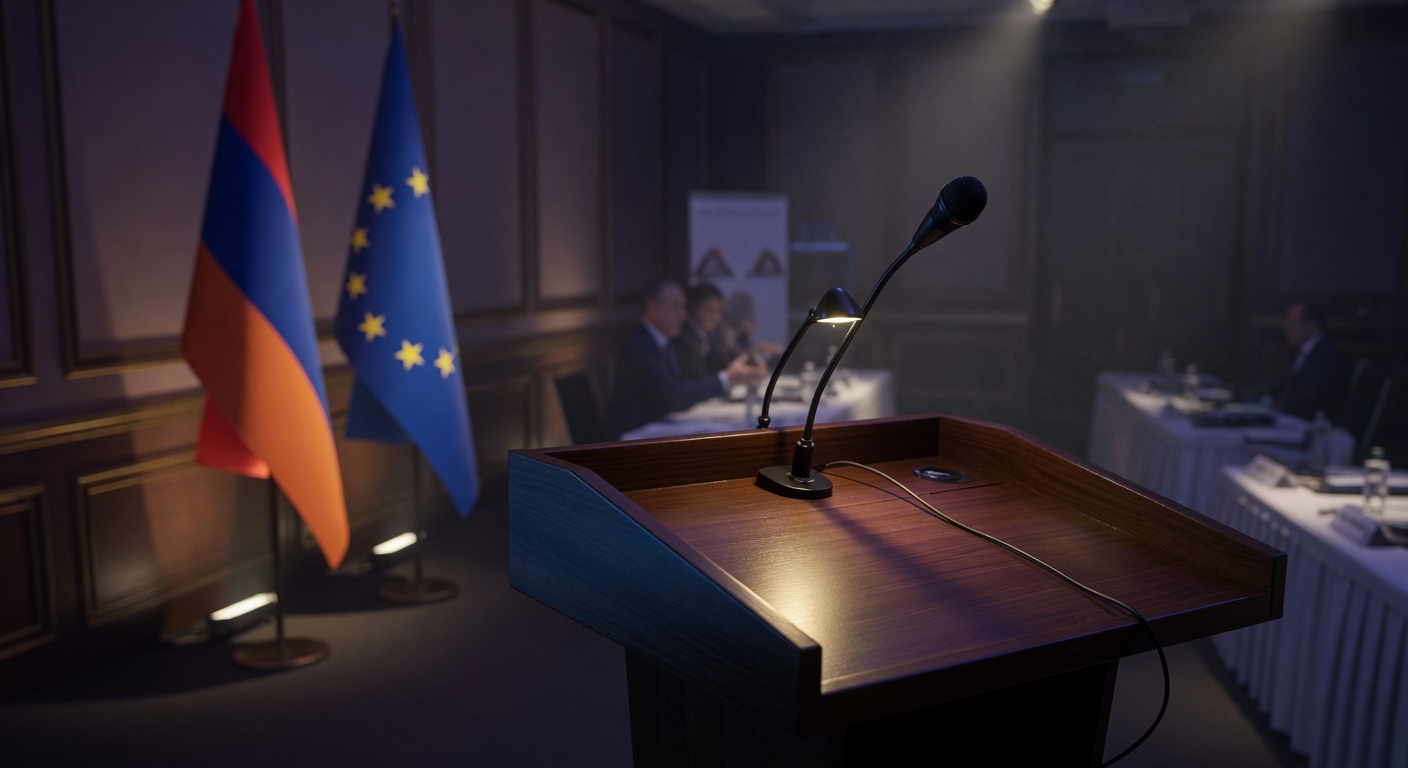
Armenian Prime Minister Nikol Pashinyan faces a parliamentary election on June 7 as he seeks a third term amid a strategic pivot toward the European Union and the United States. While receiving a “COMPLETE and TOTAL endorsement” from US President Donald Trump, Pashinyan faces economic pressure and diplomatic retaliation from Russia, which warned of a “Ukrainian scenario.”
The pivot centers on the “Trump Route for International Peace and Prosperity” (TRIPP), a rail and road corridor in southern Armenia. A framework agreement signed on May 26 allows the US a 99-year lease for development and security. The project connects Central Asia to Turkey and Europe, breaking Russia’s transit monopoly in the region.
President Donald Trump provided a “COMPLETE and TOTAL endorsement” for Pashinyan on May 27, calling him a “great friend and leader.” Vladimir Putin responded by warning that Armenia’s EU aspirations require “special consideration” and drawing parallels to a “Ukrainian scenario.” Russia intensified pressure by withdrawing its ambassador from Yerevan on May 30.
Moscow imposed economic retaliation, banning Armenian mineral water, flowers, and vegetables. Russian Foreign Ministry spokesperson Maria Zakharova threatened to cancel a 2013 agreement on duty-free natural gas and petroleum exports.
The European Commission stated it is “standing firmly” in its backing of Pashinyan. The EU is preparing a support package to alleviate Russian economic pressure, and the European Parliament called for urgent action to protect the June 7 vote from foreign interference.
Armenia’s parliamentary elections take place this Sunday, June 7. The vote determines whether Prime Minister Nikol Pashinyan maintains power as he steers the country away from the Collective Security Treaty Organization (CSTO) and toward Western alignment. With Russia deploying covert efforts to sway the outcome through imported voters and disinformation, the results will signal if Armenia’s strategic pivot to the EU and US can withstand Moscow’s pressure.