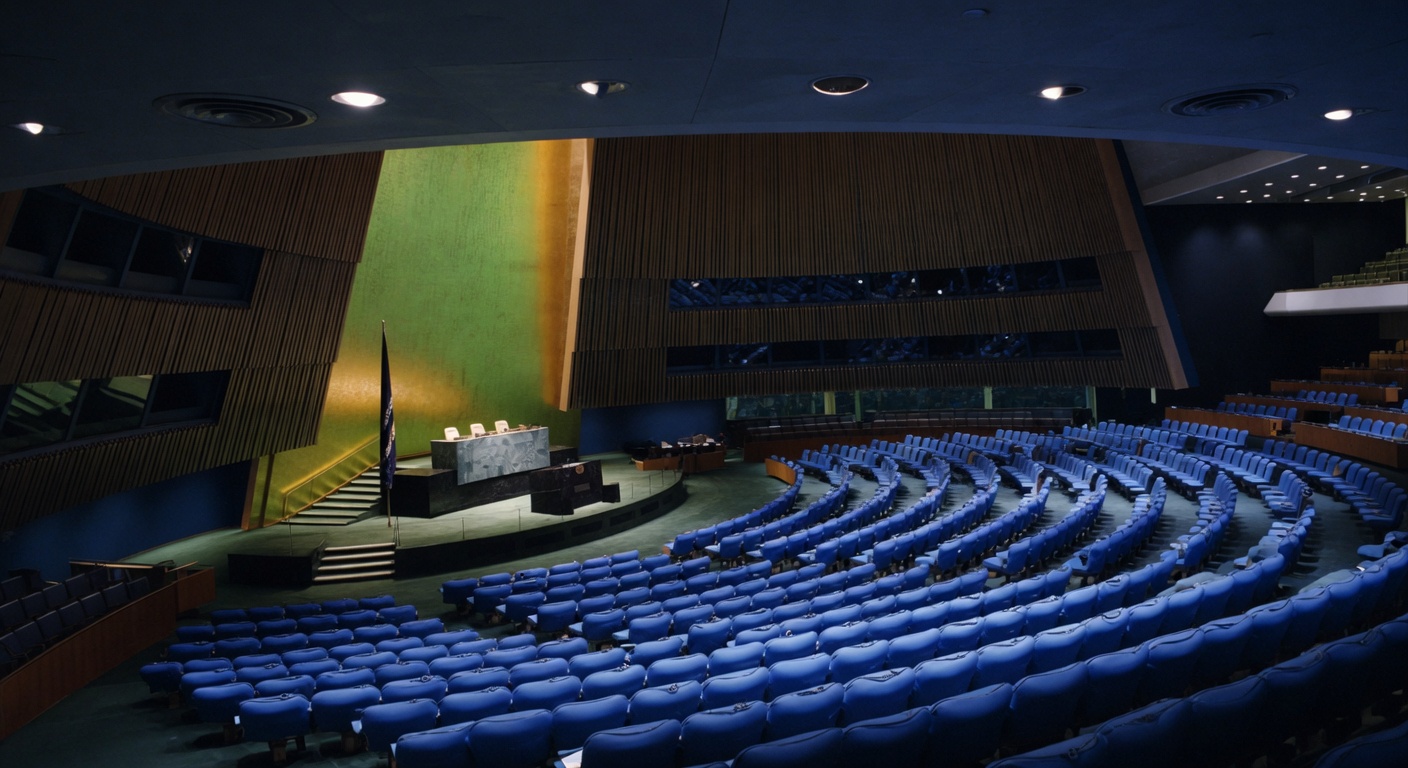
Germany failed to secure a rotating seat on the UN Security Council on June 3, 2026, losing to Austria and Portugal in a UN General Assembly vote. The defeat ends a 40-year streak; Berlin fell 23 votes short of the required two-thirds majority. Foreign Minister Johann Wadephul attributed the result to Russian opposition and international friction over Germany’s support for Israel.
Portugal and Austria won the two available seats for the “Western Europe and Others” group, receiving 134 and 131 votes respectively. Germany received 104 votes.
Wadephul linked the defeat to Russian opposition regarding Germany’s support for Ukraine and friction over Berlin’s “special responsibility” and support for Israel, calling the result a “real disappointment.”
Trita Parsi of the Quincy Institute argued that Germany’s perceived “blind support” for Israel’s actions in Gaza cost it the seat, stating the result should prompt “serious rethinking in Berlin.”
The defeat is a significant blow to Chancellor Friedrich Merz, who promised to restore Germany’s international influence. AfD co-leader Alice Weidel called the loss an “embarrassment,” while SPD spokesperson Adis Ahmetovic described the vote as a “gauge of how [Germany] is perceived internationally.”
Portugal and Austria will take their seats on the UN Security Council on January 1, 2027. This marks a rare diplomatic failure for Berlin, which has successfully secured a rotating seat approximately every eight years for four decades.