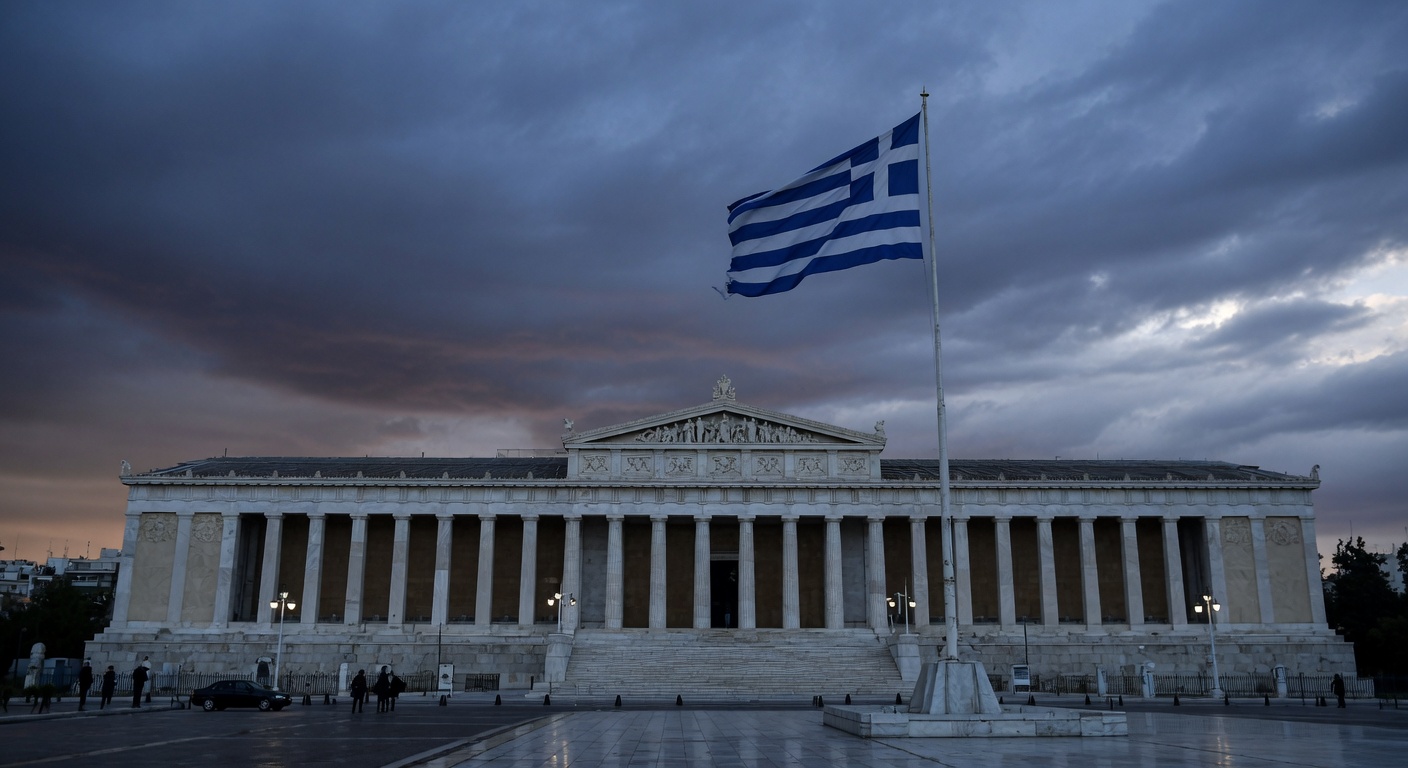
The European Commission removed Greece from its list of countries facing macroeconomic imbalances on Wednesday, June 3, 2026. The decision ends 16 years of heightened economic surveillance following the 2010 debt crisis. The move reflects Greece’s improved fiscal performance, robust GDP growth, and a steady reduction in its public debt-to-GDP ratio.
Prime Minister Kyriakos Mitsotakis welcomed the decision, stating that “a negative chapter opened 16 years ago closes with Europe’s seal.” He noted that ending external oversight provides a foundation to improve living standards, including the possibility of using budget surpluses to increase wages and pensions.
The delisting follows significant economic outperformance. Greece’s GDP grew by 2.1% in 2025, with 2026 forecasts between 1.8% and 1.9%—nearly double the Euro area average of 0.9%. The country recorded a general government surplus of 1.7% of GDP in 2025, with primary surpluses expected to remain robust through 2027.
Public debt continues a steady downward trajectory, with projections placing the debt-to-GDP ratio between 123% and 134% by 2027. The European Commission attributed this progress to reforms in tax administration, public administration, and the digital transition.
Despite the upgrade, the Commission highlighted remaining vulnerabilities. Greece lags behind EU peers in average disposable income and maintains a high overall public debt burden. The Commission also noted that the resolution of non-performing loans outside the banking sector remains slow.
The delisting marks the end of a surveillance era that began during the 2010 debt crisis. While Greece has transitioned from the Eurozone’s primary economic concern to a period of robust growth, the European Commission noted that the country still lags behind EU peers in average disposable income and carries a significant public debt burden.