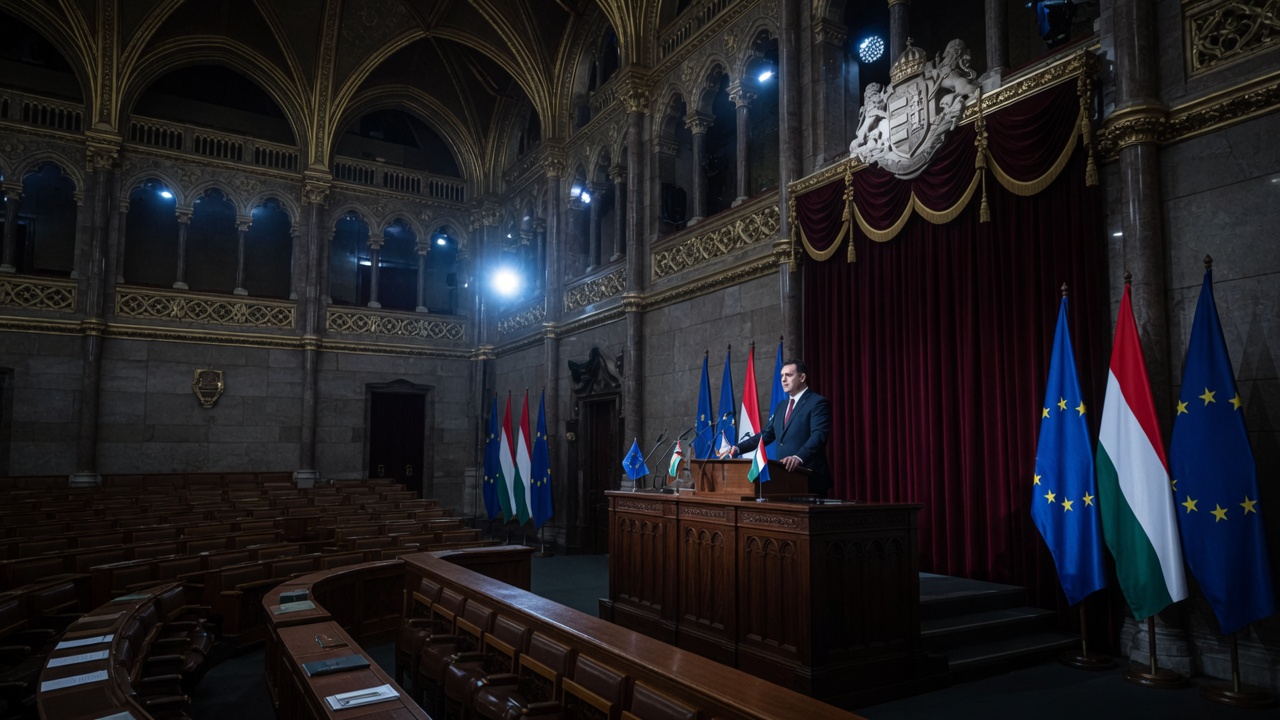
The Hungarian Parliament approved a constitutional amendment limiting the Prime Minister’s tenure to a maximum of eight years, barring former PM Viktor Orbán from returning to office. The law, passed around June 15, 2026, is part of a broader democratic reset by the government led by Péter Magyar and the Tisza party.
The amendment stipulates that any individual who has served as Prime Minister for a total of eight years, including interruptions, is ineligible for future election to the role. Viktor Orbán, who held the office for approximately 20 years across five terms between 1998 and 2026, is permanently barred from the premiership.
The measure is a cornerstone of the “democratic reset” initiated by Prime Minister Péter Magyar and the Tisza party following their landslide victory in the April 12 elections. Magyar describes the move as essential to restore democratic checks and balances and ensure the “illiberal” era of the previous administration cannot be revived.
The new government is also dissolving the Sovereignty Protection Office, which critics described as a tool for the surveillance of political dissidents and foreigners. The administration intends to reclaim national assets from foundations previously used by Orbán loyalists to operate universities and think-tanks.
The European Union is monitoring these developments to resolve long-standing rule-of-law disputes with Budapest. While the EU has not issued a formal statement on the 8-year limit, the shift toward European democratic norms is a critical step in repairing relations between Hungary and Brussels.
The amendment is part of a broader effort by the Tisza-led government to dismantle the institutional architecture of the Fidesz era. By barring long-term incumbents from the premiership and reclaiming state assets, the administration aims to return Hungary to European democratic norms and resolve the rule-of-law disputes that have strained relations with the European Union.