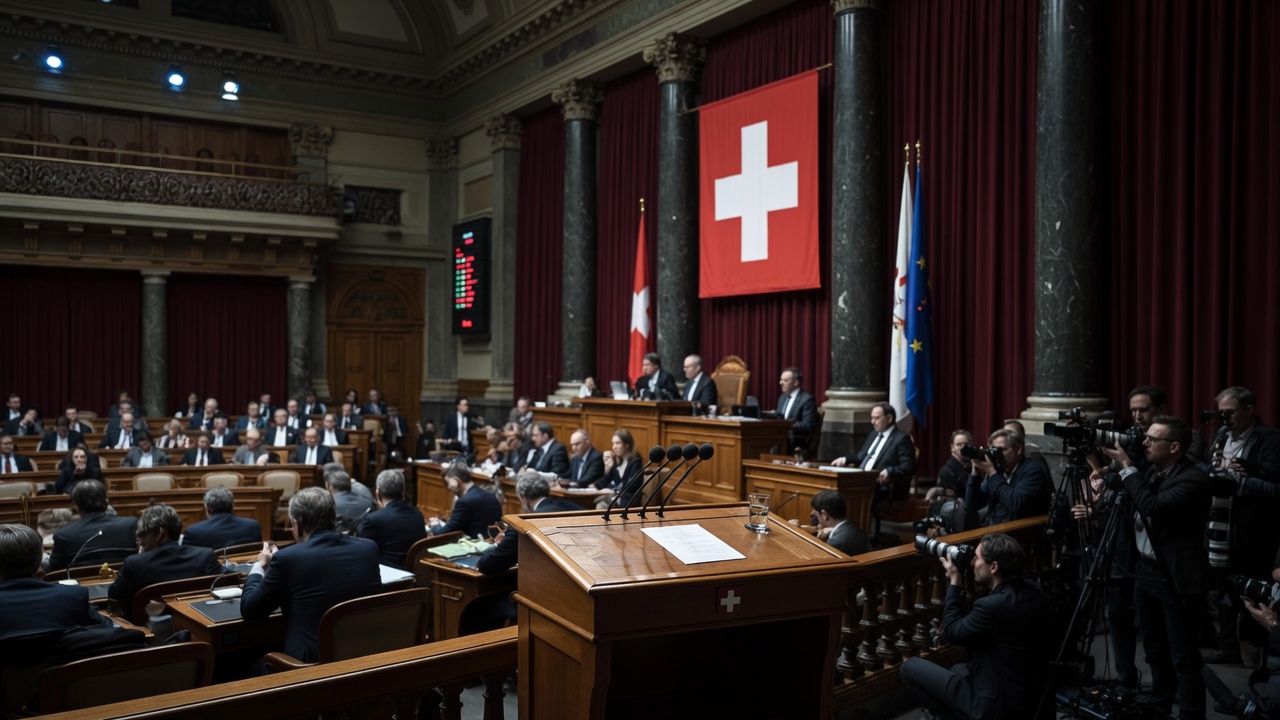
Swiss voters rejected a far-right initiative to cap the permanent resident population at 10 million on June 14, 2026. The proposal, championed by the Swiss People’s Party (SVP), would have triggered restrictive immigration measures once the population reached 9.5 million. Approximately 55% of the electorate voted against the measure.
The initiative aimed to cap the permanent resident population at 10 million by 2050. It would have mandated the government to implement restrictive measures at a trigger point of 9.5 million. Switzerland’s current population is approximately 9.1 million.
Opponents, including Justice Minister Beat Jans, framed a “Yes” vote as a potential “Swiss Brexit.” They argued that ending the free movement of persons would cause economic instability and damage bilateral agreements with the European Union. Business leaders and the liberal right warned that restricting foreign labor would undermine national competitiveness, particularly in healthcare and construction.
The SVP framed the cap as a “measure of last resort” to preserve quality of life and infrastructure. Despite the defeat, the party claimed the 45% “yes” vote proves a mandate against “mass migration” and continues to advocate for a quota-based immigration system.
The campaign cost nearly CHF 15 million, making it one of the most expensive in Swiss history. Political observers noted the vote served as a trial run for the 2027 federal elections.
The rejection maintains the current framework for the free movement of persons between Switzerland and the European Union. With a population of approximately 9.1 million, the country continues its reliance on European labor and migration flows, avoiding the restrictive triggers mandated by the SVP-led initiative.