The closure of the Strait of Hormuz following February’s “Operation Epic Fury” strikes on Iran has exposed critical gaps in Europe’s energy transition. Despite the rise of renewables, the blockade triggered a historic oil supply shock, peaking Brent crude at $126 per barrel and disrupting 20% of global LNG supply.
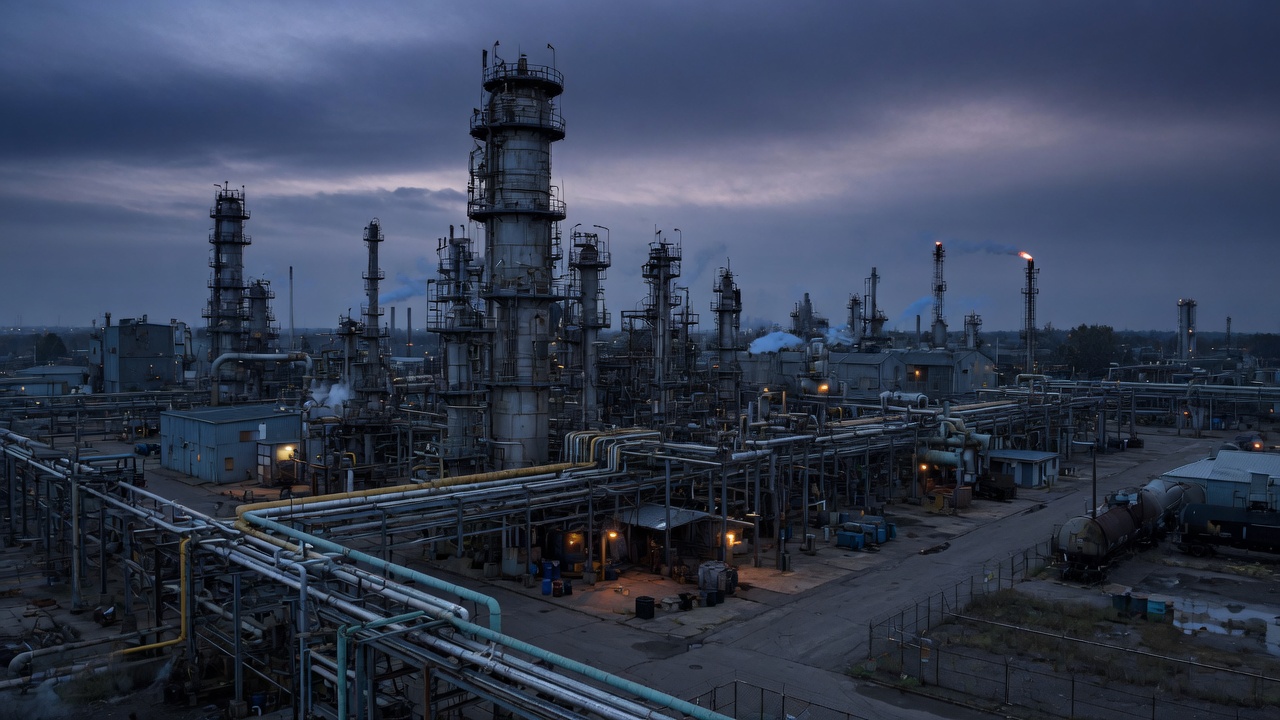
The supply shock highlights a “structural gap” in Europe’s energy security. Renewables provide electricity but cannot replace the carbon molecules required as feedstock for heavy industry. This vulnerability is most acute in chemical production; 34% of globally traded urea and 23% of ammonia pass through the Strait of Hormuz.
The World Bank warns that this disruption could trigger a 31% surge in fertilizer prices, potentially placing 45 million more people at risk of food insecurity [UNVERIFIED]. This “Feedstock Fallacy” demonstrates that wind and solar power cannot electrify the raw material needs of the industrial base.
Industry leaders have acknowledged the scale of the challenge. Fortum CEO Markus Rauramo stated that while clean energy is the way forward, businesses dependent on gas face a “massive, non-trivial shift.” Statkraft CEO Birgitte Ringstad Vartdal noted that gas remains necessary to manage long periods of low renewable production.
The crisis has inverted the energy security narrative. Kingsmill Bond of Ember observed that “fossil fuels are now intermittent and uncertain” due to geopolitical chokepoints, contrasting this with the relative stability of renewables and storage. In response, Europe has rushed to U.S. LNG, a move Oxford Professor Jan Rosenow describes as a “problematic situation” that swaps one strategic dependence for another.
The crisis persists as negotiations between the U.S., Israel, and Iran remain stalled. Recent imagery shows Iranian forces maintaining positions on Suru Beach, while European energy markets adjust to the permanent loss of Middle Eastern feedstock. The long-term impact on food security and industrial output depends on the speed of Europe’s shift toward synthetic alternatives and diversified LNG sourcing.