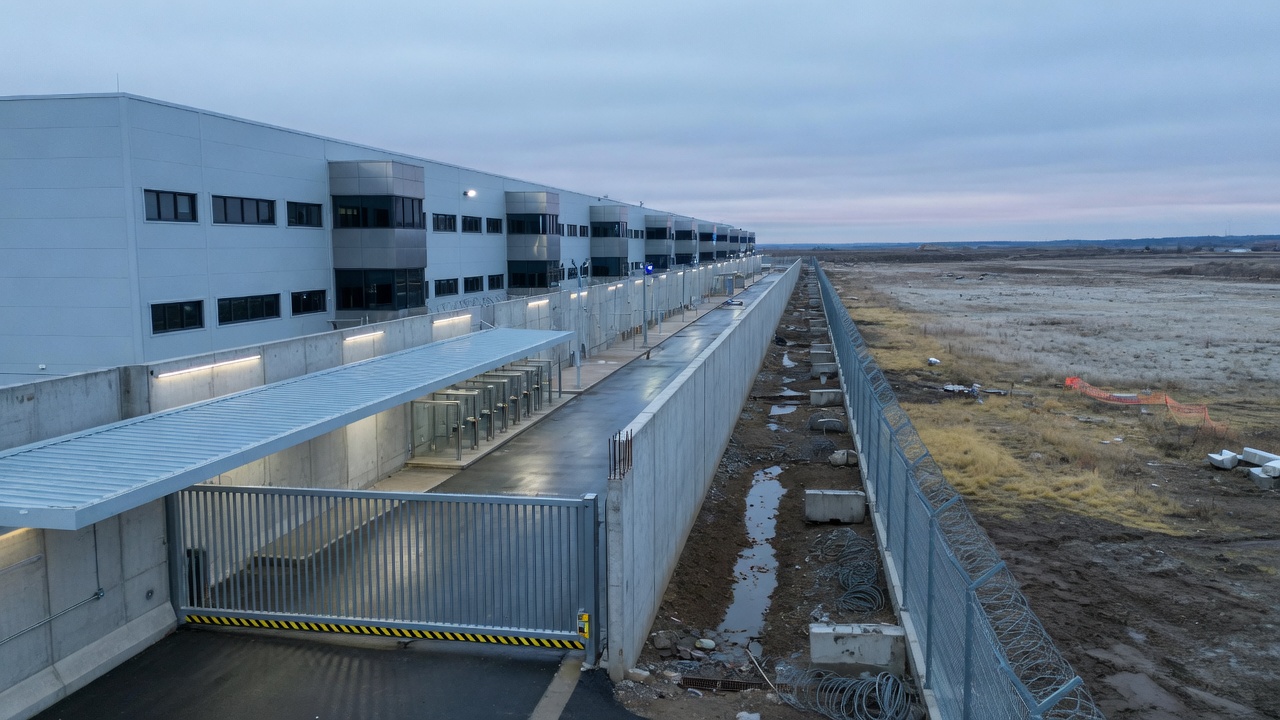
The New Pact on Migration and Asylum entered into application on June 12, 2026, shifting the Union’s border regime from legislative drafting to operational enforcement.
The Shift to Operational Reality
The transition ends a two-year window intended to align national laws with a centralized framework for border screening, asylum procedures, and responsibility-sharing. Under the new regime, applications channeled into border procedures must be processed within a strict 12-week window, including the appeal process Immigration Monitor. This expedited timeline operates alongside a mandatory “safe country of origin” rule to accelerate the rejection of irregular arrivals.
Legislative milestones have not translated into uniform readiness. A European Commission progress report published on May 8, 2026, identifies a disconnect between legal frameworks and physical capacity. Specialized screening centers and integrated IT interfaces remain inconsistent across the bloc.
Fragmentation is evident in the pace of national adoption. Germany and the Netherlands aligned their laws by May, but France, Italy, and Spain were still drafting proposals as the June 12 deadline arrived EU Immigration and Asylum Law and Policy Blog. The result is a border regime that is legally unified but operationally fractured.
The EUAA Monitoring Mechanism
The operationalization of the Pact relies on the European Union Agency for Asylum (EUAA) to bridge the distance between Brussels’ legislation and national execution. Under Decision No 183/2025, the agency established the 2026 Monitoring Annual Programme. This diagnostic tool tracks the technical and operational application of the common asylum system through systematic data collection, on-site visits, and national reports.
The mechanism aims to ensure a consistent application of the system. By identifying failures in IT interface readiness and physical infrastructure, the EUAA provides the technical support necessary to bring lagging states up to the mandatory standard. The architecture for oversight is now in place. Its capacity to enforce compliance remains untested.
National Preparedness and Fault Lines
The transition to the new regime reveals a landscape where legal alignment does not equal operational capacity. While the European Commission’s May 2026 progress report suggests that key pillars are in place, operational frictions persist. Germany and the Netherlands aligned their laws by May, but France, Italy, and Spain were still drafting proposals as the June 12 deadline arrived EU Immigration and Asylum Law and Policy Blog.
Specific bottlenecks are emerging. Malta has faced challenges meeting the mandatory 12-week processing window, while Bulgaria shows technical gaps in screening and registration requirements. In contrast, Slovakia adopted most relevant legislation, including a new Act effective June 12 designed to speed up procedures ECRE. Legal alignment is progressing. The physical infrastructure—specialized screening centers and integrated IT—remains inconsistent.
The Erosion of Individual Assessment
The structural shift in the Pact is most evident in the institutionalization of the “presumption of safety.” By expanding the “safe country of origin” list, the EU has created a mechanism for expedited procedures that can bypass individual merit assessments. Human Rights Watch argues that this effectively outsources human rights obligations to third countries, prioritizing speed over safety and increasing the risk of refoulement.
This focus on deterrence reflects political pressures from the 2015 crisis, leaving a blind spot regarding 21st-century realities. The Carnegie Endowment for International Peace notes that the Pact ignores climate-driven displacement, offering no concrete policy recommendations for environmental migration. The regime is designed for political stability and border control, but not for the ecological reality of the coming decade.
The Governance Friction
The New Pact attempts to standardize the European border without a corresponding union of operational capacity. By mandating strict 12-week windows while leaving the construction of screening centers to national budgets, the EU has created a legal requirement that is physically impossible for some member states to meet. The EUAA Monitoring Mechanism can diagnose this failure, but it cannot cure it.
The pattern suggests that the disconnect between legislative ambition and physical reality is no longer a transition issue. It is a structural limit. Acting as twenty-seven national budgets, Europe can legislate. Acting as one, it could build. The choice between these two remains a concrete policy question.
Sources
- home-affairs.ec.europa.eu
- Essential for the institutional framework of the EUAA Monitoring Mechanism.
- Official state-of-play report for diagnosing member state preparedness.
- Comprehensive explainer on the Common Implementation Plan.
- Specific national examples of implementation delays.
- NGO perspective on the May 2026 Commission report.
- Counter-argument on the erosion of asylum rights.
- Structural dimension regarding climate migration.